THE TEACHING CONNECTION
An element found in trace amounts in the environment and used in prescription medicines.
What it does
An element found in trace amounts in the environment and used in prescription medicines.
How supplementation is approached
Lithium is different from an ordinary vitamin. A low-dose supplement is not the same as prescription lithium. If you are considering either form, talk with the clinician who manages your medicines and kidney or thyroid health.
What symptoms can—and cannot—tell you
There is no established dietary deficiency syndrome for this specific botanical or compound. Symptoms are not evidence that you need this supplement.
Food sources
Trace amounts occur in water and food. This does not establish a need for a lithium supplement.
Supplement forms
Supplemental lithium salts and prescription lithium medicines are different products and are not interchangeable.
What to track and reassess
Review kidney function, thyroid history and interacting medicines before use. Do not adjust prescribed lithium or add a lithium-containing supplement independently.
From starting support to follow-up
If you and your clinician start a CMA replenishment plan, you may add one new product at a time, often waiting 3–7 days to see how you feel. A check-in is usually planned near ten weeks during an approximately 100-day period. Follow your written plan for amounts and timing. At follow-up, you may continue, change, or stop each item. This timetable does not automatically end longer-term support.
Names you may see
Lithium
EXPLORE WITH YOUR CARE TEAM
Supplements to explore
Compare the products below, including their ingredients and available forms. Your care team can help you choose one or more options for your needs.
SUPPLEMENT OPTIONS
Lithium supplement options
Compare supplement options related to Lithium.
Different products offer different forms and amounts. Compare the labels with your clinician to find what fits your needs.
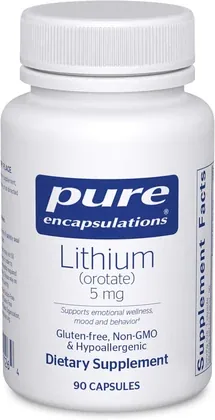
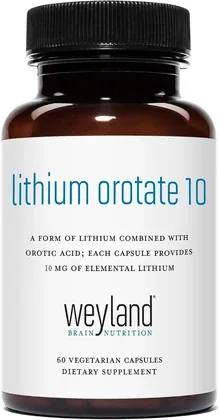
Tell your care team which supplements and medicines you already take. Check the product page for current ingredients, prices, and availability.