Why this matters
Separate questions about toxin exposure from questions about genetics and antioxidant pathways.
How the pieces connect
Lead, mercury, arsenic, and some pesticides are exposures that require an exposure history and appropriate testing. A gene result does not show that an exposure happened.
Exposure is a separate question from susceptibility
Dr. Purser brings genetics and toxicants into one model, but they describe different things. Susceptibility is a possible tendency to respond differently; exposure is contact with a substance. A gene result does not establish that an exposure occurred. Dr. Purser’s discussion of lead, mercury, arsenic and organophosphates therefore needs an exposure history and suitable testing before it can inform a real clinical question. A theoretical antioxidant connection is not proof of poisoning or proof that a detoxification product is needed.
Keep in mind
A genetic or cytokine result cannot diagnose poisoning. If you think you were exposed to a harmful substance, tell your clinician about the possible source and timing.
A question for your next conversation
Is there an identifiable exposure, and is the proposed test appropriate for that substance?
BUILD YOUR UNDERSTANDING
A few concepts, made clearer.
LET YOUR CURIOSITY LEAD
One idea opens another.
Choose a subject to find the related teaching across videos, articles, courses and references.
EXPLORE WITH YOUR CARE TEAM
Supplements to explore
Compare the products below, including their ingredients and available forms. Your care team can help you choose one or more options for your needs.
Explore supplements Dr. Purser discusses for methylation and antioxidant support.
COMPARE YOUR OPTIONS
Methylation support
Dr. Purser discusses these supplements in relation to MTHFR.
MTHFR Daily and Hydroxy B12 + Folinic Acid are alternatives. Your folate, vitamin B12, and genetic results can help your clinician choose between them.
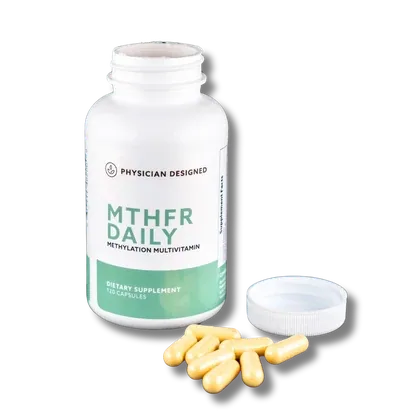
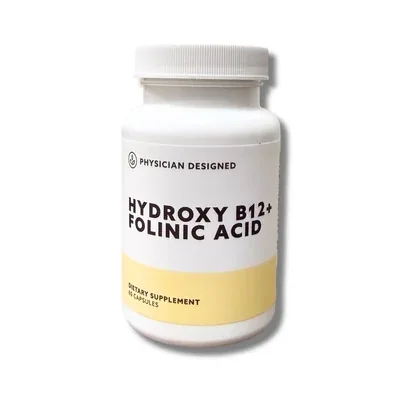
CAPSULES & LIQUID
Glutathione options
Choose between capsule and liquid forms with your clinician.
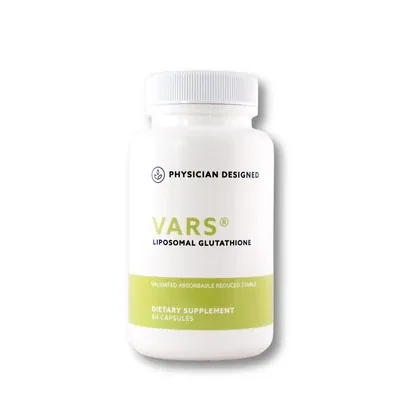
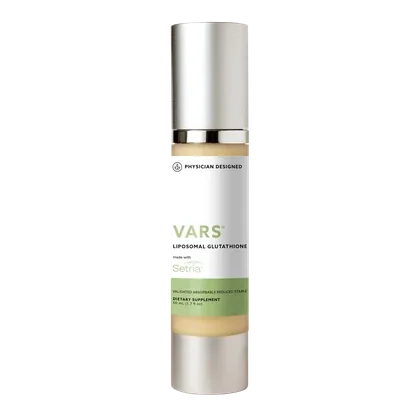
SUPPLEMENT OPTIONS
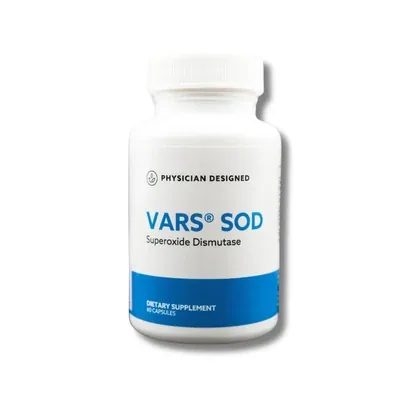
VARS SOD
Ask your clinician how this option fits your results and current medicines.
SUPPLEMENT OPTIONS
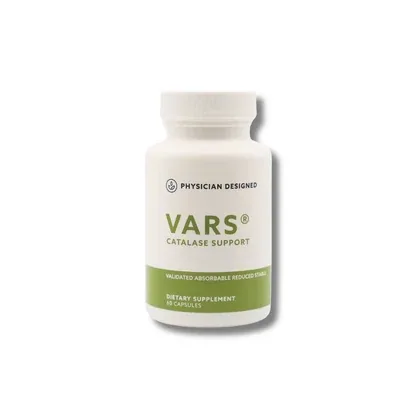
VARS Catalase Support
Ask your clinician how this option fits your results and current medicines.
Tell your care team which supplements and medicines you already take. Check the product page for current ingredients, prices, and availability.
