DHFR
Some search terms matchedDHFR helps reduce folic acid and dihydrofolate to tetrahydrofolate-related forms used in cellular metabolism. This is one part of the folate system, distinct from MTHFR and folate transport into cells.
THE PURSER WELLNESS ENCYCLOPEDIA
4 chapters, at your pace
1438 resources for your curiosity253 matching listings grouped; alternative sources stay available.
What’s searchable?DHFR helps reduce folic acid and dihydrofolate to tetrahydrofolate-related forms used in cellular metabolism. This is one part of the folate system, distinct from MTHFR and folate transport into cells.
FOLR1 encodes folate receptor alpha, which helps cells take up folate and has an important role in folate transport at the brain’s barriers. Blood folate and folate availability in the nervous system are not identical measurements.
GGH encodes gamma-glutamyl hydrolase, which removes glutamate residues from folate compounds. This affects folate handling and helps explain why folate metabolism includes retention and processing as well as intake.
KIT encodes a receptor tyrosine kinase that responds to stem cell factor. It participates in blood-cell development and mast-cell biology, making the exact variant and testing context especially important.
Helps maintain the activity of methionine synthase, connecting B12-related chemistry with homocysteine metabolism.
Separate the gene, variant, measured value and clinical interpretation—and learn which questions to bring to your visit.
ALPL encodes tissue-nonspecific alkaline phosphatase, an enzyme important to bone and tooth mineralization and vitamin B6 metabolism. Persistently low alkaline phosphatase can deserve a different evaluation from a general nutrient deficiency.
IL6R encodes the interleukin-6 receptor. Membrane-bound and soluble receptor pathways help explain why IL-6 biology involves more than the amount of cytokine in a single blood sample.
Are your B vitamins making you feel worse instead of better? Methylated B vitamins can be incredibly helpful for energy, homocysteine metabolism, neurological health, and many essential processes. But the right nutrient can become the wron
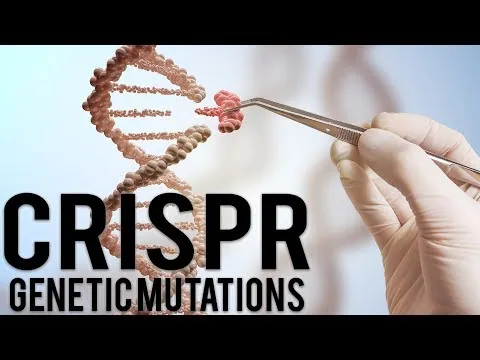
CRISPR is in the process of coming up with a treatment to change your genetic mutations. This could mean helping fix the mutations that put you at risk for Alzheimer's disease, macular degeneration, strokes, or Factor V Leiden. Stay on the look out for this very exciting new technology as it advances!
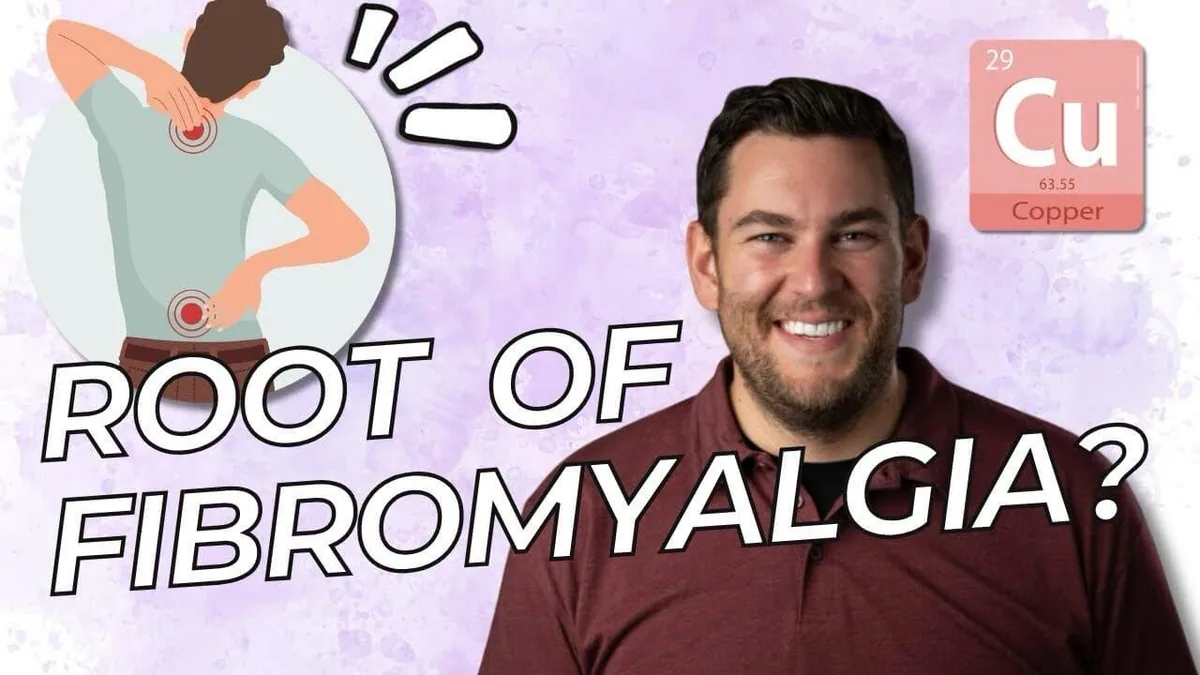
The real root of fibromyalgia? It’s not just pain — it’s copper. We’ve uncovered that fibromyalgia is often driven by genetic mutations (like CBS, GAD1, GAD2) that affect how your body handles copper. The copper builds up in your blood but never makes it into your cells — leading to widespread pain, inflammation, and migraines.
Searchable captionsRead matching passageHomocysteine is nasty — but here’s the truth no one tells you. It doesn’t kill you directly — it triggers white blood cells to release IL-8 and MCP-1, causing inflammation, kidney failure, heart attacks, and strokes. Most doctors don’t even check it anymore, thinking there’s no fix. But there is. Whether from 17 genetic SNPs or 12 vitamin deficiencies (like B6 or B12), you can address it by supporting your body’s ability to convert homocysteine into glutathione.
Searchable captionsRead matching passageSearch looks for your words in titles, descriptions, available articles, learning guides, and video captions when available. The closest matches appear first. Duplicate posts are grouped, with links to other places you can read or watch them. Books, chapters, and reports have topic guides here; the original files and full book text are not available in this encyclopedia. Subscriber posts include a title and public summary; open Substack to read the full post.