Press Play to watch. If the original uses a different shape, use Wide or Tall. If playback is unavailable or asks you to sign in, use the original link.
From the original social post
How do you end your fatigue? We have to get to the Root Cause of why you’re exhausted all the time. Let’s look at your genes and the intracellular vitamin deficiencies they can cause. You may have MTHFR and can’t process folate correclty. You are always behind in energy production because of this. But it doesn’t have to be forever. We can work around the holes MTHFR causes and make you feel NORMAL for the first time in your life. MTHFR Daily is the first multivitamin designed specifically for MTHFR Patients. If you have MTHFR, you need these vitamins and minerals. Visit PhysicianDesigned.com for more info.
Search includes the written post or caption. Open the original post above for pictures or video. Words spoken in the video or printed inside an image may not appear in search.
Compare the products below, including their ingredients and available forms. Your care team can help you choose one or more options for your needs.
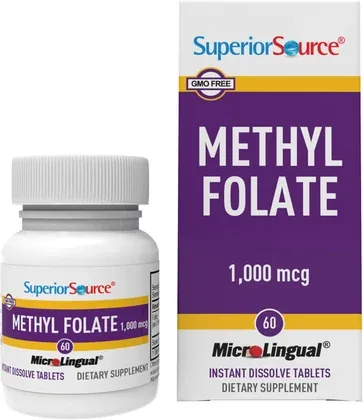
Compare supplement options related to Vitamin B9.
COMPARE YOUR OPTIONS
Methylation support
MTHFR Daily and Hydroxy B12 + Folinic Acid are alternatives. Your folate, vitamin B12, and genetic results can help your clinician choose between them.
Makes an enzyme that helps produce a form of folate used in the processing of homocysteine. Common variants are different from rare variants that cause severe MTHFR deficiency.
Most people have never heard of homocysteine , yet this small molecule may hold the key to understanding inflammation, cardiovascular disease, neurological problems, and many chronic conditions. For decades, homocysteine was viewed as a toxic substance in the blood. Doctors were taught that lowering it with B-vitamins might reduce heart disease risk. But research results were inconsistent, leaving many physicians unsure whether homocysteine truly mattered. New research and clinical observations are changing that view. We introduce a new framework called the Purser Model , which explains why ho