THE TEACHING CONNECTION
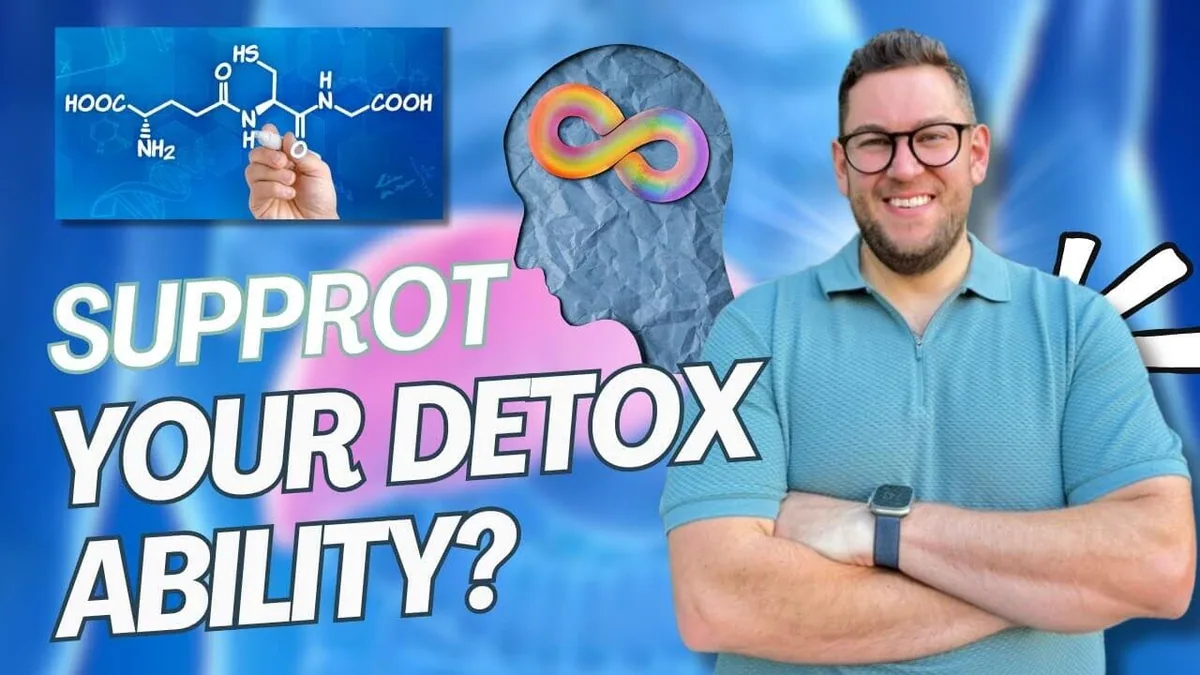
Making, using and recycling glutathione
Making, using and recycling glutathione
Your body makes glutathione from three building blocks. Several genes help with different parts of the process: CBS and CTH affect the supply of cysteine, GCLC and GCLM help make glutathione, GST enzymes use it when processing some compounds, and GPX enzymes use it to help handle peroxides. These are related jobs, not interchangeable gene results.
Putting the pieces together
Dr. Purser discusses glutathione alongside SOD and catalase as parts of the body’s antioxidant defenses. If you try a product, write down its name, amount, timing, and how you felt. Feeling worse is a reason to reassess with your clinician, not proof that a 'detox' is working.
Where the VARS Triad and MTHFR Daily fit
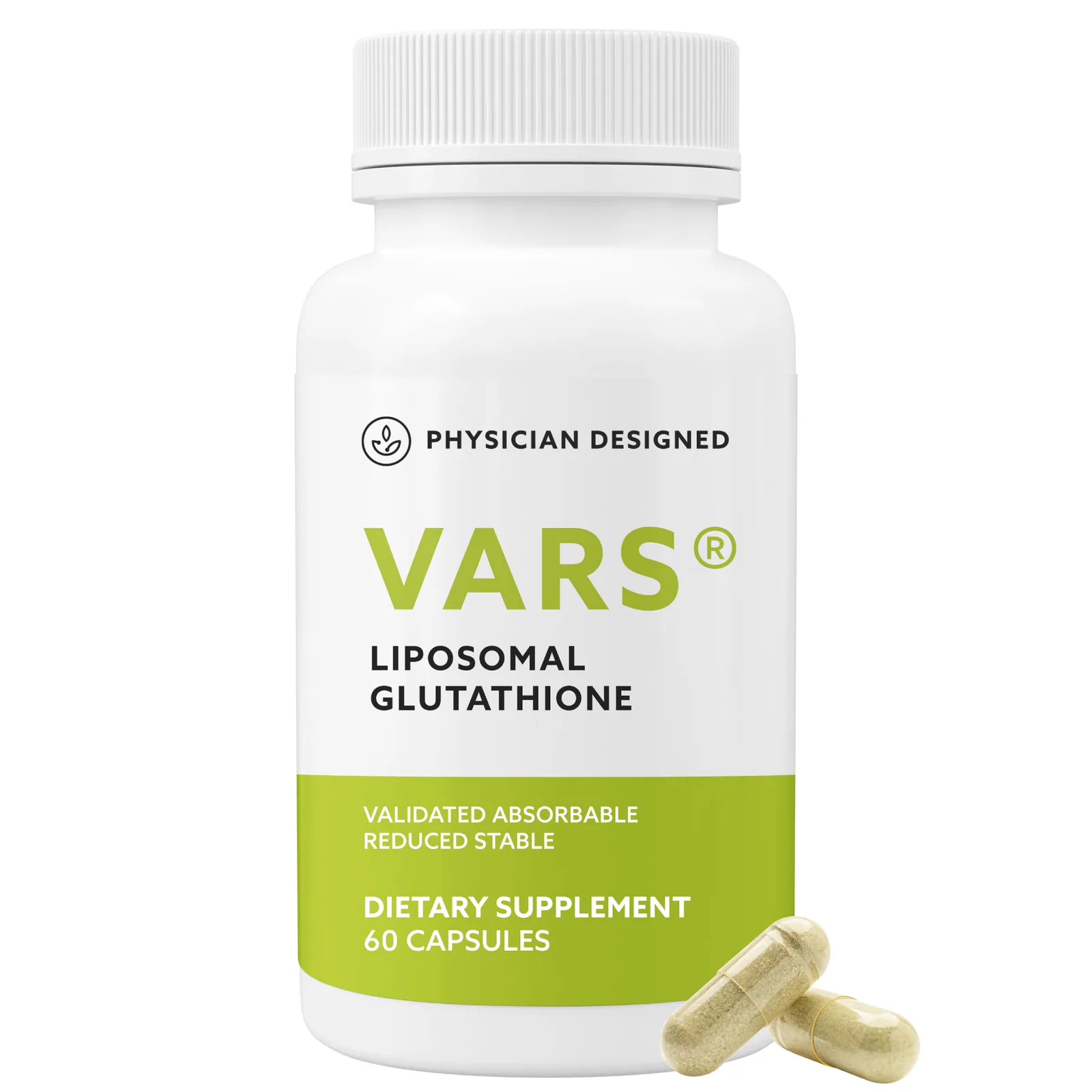
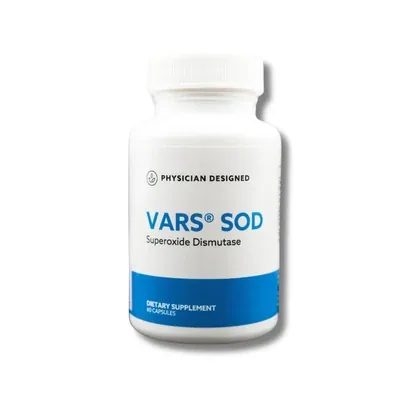
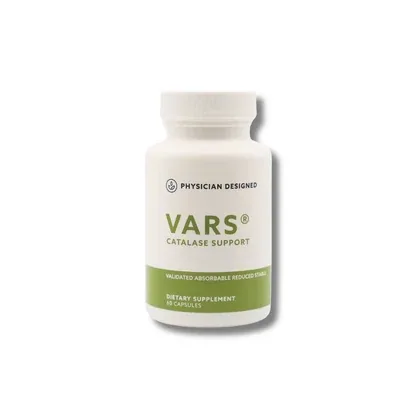
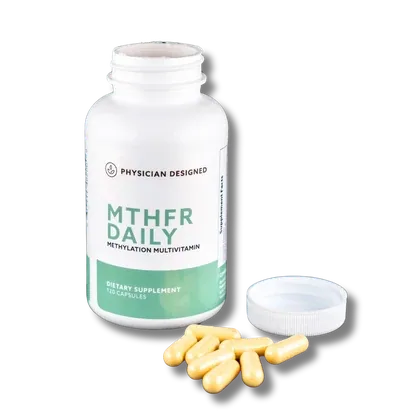
If you are exploring homocysteine or cytokines, Dr. Purser may discuss MTHFR Daily and the VARS Triad: VARS Glutathione, VARS SOD, and VARS Catalase. He gives glutathione a central place in his approach to antioxidant support.
A gene result alone cannot tell you that you need these products or that they will treat a condition. Review your current results, medicines, goals, and tolerance with your clinician before choosing a product or dose.
How supplementation is approached
VARS Glutathione is foundational in Dr. Purser’s genetic and redox-support teaching. He considers it with VARS SOD and VARS Catalase, and places the VARS Triad plus MTHFR Daily centrally in his homocysteine/cytokine framework. The liquid and capsule formulations should be distinguished when discussing actual use.
What symptoms can—and cannot—tell you
There is no established dietary deficiency syndrome for this specific botanical or compound. Symptoms are not evidence that you need this supplement.
Food sources
Some occurs in vegetables and other foods. Dietary protein supplies building blocks the body uses to make it.
Supplement forms
Reduced glutathione and liposomal preparations are marketed. Formulation alone does not prove a clinical benefit.
Glutathione and inflammatory signals
Glutathione helps your cells respond to oxidative stress. In Dr. Purser’s model, this may also connect with immune signals called IL-8 and MCP-1. This is one reason he looks beyond a homocysteine number when discussing antioxidant support.
The body’s use of glutathione is well worth understanding. Whether a particular supplement helps prevent a heart, kidney, or brain condition is a different question. Ask what benefit is expected for you and how it would be checked.
A question to bring to your visit
Which part of the redox network is the plan addressing, and how will response and tolerance be assessed?
What to track and reassess
Start according to the individualized sequence and record tolerance before adding another product. Active cancer treatment requires coordination with the oncology team; a supplement is not a replacement for disease-specific care.
From starting support to follow-up
If you and your clinician start a CMA replenishment plan, you may add one new product at a time, often waiting 3–7 days to see how you feel. A check-in is usually planned near ten weeks during an approximately 100-day period. Follow your written plan for amounts and timing. At follow-up, you may continue, change, or stop each item. This timetable does not automatically end longer-term support.
Names you may see
Glutathione (GSH) · GSH
EXPLORE WITH YOUR CARE TEAM
Supplements to explore
Compare the products below, including their ingredients and available forms. Your care team can help you choose one or more options for your needs.
Explore supplements Dr. Purser discusses alongside inflammation and antioxidant support.
SUPPLEMENT OPTIONS
Glutathione supplement options
Compare supplement options related to Glutathione.
Different products offer different forms and amounts. Compare the labels with your clinician to find what fits your needs.
SUPPLEMENT OPTIONS
VARS SOD
Ask your clinician how this option fits your results and current medicines.
SUPPLEMENT OPTIONS
VARS Catalase Support
Ask your clinician how this option fits your results and current medicines.
COMPARE YOUR OPTIONS
Methylation support
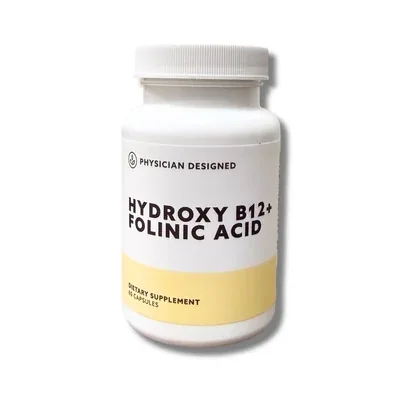
MTHFR Daily and Hydroxy B12 + Folinic Acid are alternatives. Your results can help your clinician choose between them.
Tell your care team which supplements and medicines you already take. Check the product page for current ingredients, prices, and availability.