THE TEACHING CONNECTION
A trace mineral in sulfur-processing teaching
A trace mineral in sulfur-processing teaching
The transsulfuration chapter mentions molybdenum in the context of sulfite and sulfur processing. That is a specific teaching connection alongside CBS/CTH, cysteine and glutathione, rather than a reason to describe all food or supplement reactions as a molybdenum problem.
Putting the pieces together
A sulfur-processing question, a gene result and a measured nutrient deficiency are different findings. Ask which one actually applies to you before deciding on a product or amount.
How supplementation is approached
Molybdenum is a trace-mineral cofactor discussed in sulfur-processing and mineral-balance teaching. Review the whole nutrient and product picture rather than assuming sulfur sensitivity proves a molybdenum deficiency.
Food sources
Legumes; grains; nuts; milk.
Supplement forms
Sodium molybdate and molybdenum chelates.
A question to bring to your visit
What evidence supports a molybdenum need, rather than only a sulfur-pathway hypothesis?
What to track and reassess
Check multivitamin and trace-mineral overlap, document the reason for use and reassess actual tolerance.
From starting support to follow-up
If you and your clinician start a CMA replenishment plan, you may add one new product at a time, often waiting 3–7 days to see how you feel. A check-in is usually planned near ten weeks during an approximately 100-day period. Follow your written plan for amounts and timing. At follow-up, you may continue, change, or stop each item. This timetable does not automatically end longer-term support.
Names you may see
Molybdenum
EXPLORE WITH YOUR CARE TEAM
Supplements to explore
Compare the products below, including their ingredients and available forms. Your care team can help you choose one or more options for your needs.
CAPSULES & LIQUID
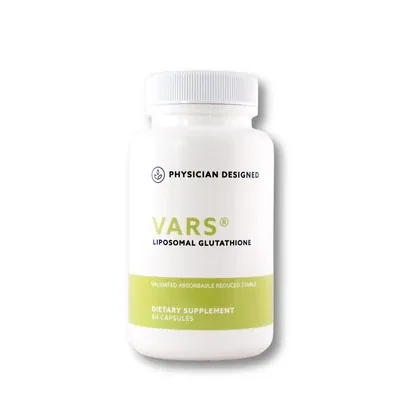
Glutathione options
Learn more about this supplement.
Compare the ingredients and available forms with your care team.
SUPPLEMENT OPTIONS
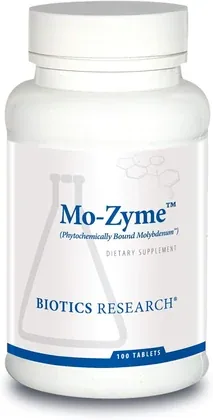
Mo-Zyme Molybdenum
Compare supplement options related to Molybdenum.
Different products offer different forms and amounts. Compare the labels with your clinician to find what fits your needs.
Tell your care team which supplements and medicines you already take. Check the product page for current ingredients, prices, and availability.