Why this matters
Explore why glutathione is studied in kidney disease without assuming a product improves kidney function.
How the pieces connect
Oxidative stress and inflammation are studied in kidney disease. A reason to study glutathione is different from proof that a product improves kidney outcomes.
Keep kidney outcomes separate from antioxidant markers
Dr. Purser’s hypothesis moves from redox biology to a proposed clinical benefit. Those steps need different evidence. A change in an antioxidant or cytokine measurement is not, by itself, proof of preserved kidney function. The important clinical questions concern kidney-function trends, urine findings, symptoms and outcomes over time. Chronic kidney disease also has established contributors, including diabetes and high blood pressure, which must not disappear from the discussion when a new biochemical model is introduced.
Keep in mind
VARS Glutathione has not been shown here to reverse kidney disease, restore filtration, or prevent dialysis. Work with a kidney specialist on proven care and ask what outcome a proposed product has been shown to improve.
A question for your next conversation
What direct evidence shows a kidney benefit from this exact intervention?
LET YOUR CURIOSITY LEAD
One idea opens another.
Choose a subject to find the related teaching across videos, articles, courses and references.
EXPLORE WITH YOUR CARE TEAM
Supplements to explore
Compare the products below, including their ingredients and available forms. Your care team can help you choose one or more options for your needs.
Explore supplements Dr. Purser discusses alongside inflammation and antioxidant support.
SUPPLEMENT OPTIONS
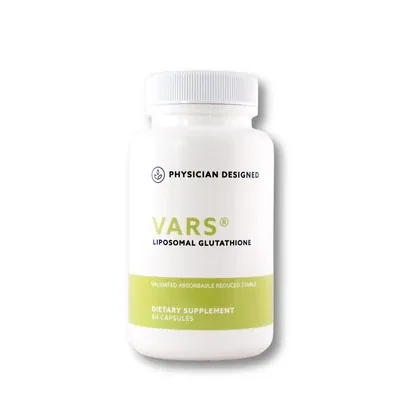
Glutathione supplement options
Compare supplement options related to Glutathione.
Different products offer different forms and amounts. Compare the labels with your clinician to find what fits your needs.

SUPPLEMENT OPTIONS
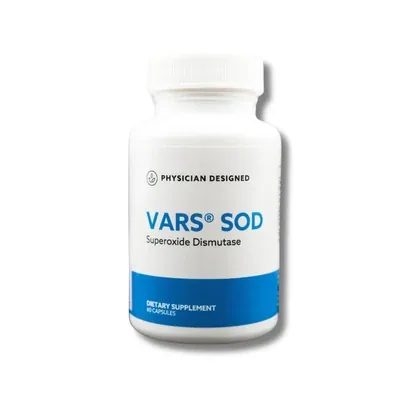
VARS SOD
Ask your clinician how this option fits your results and current medicines.
SUPPLEMENT OPTIONS
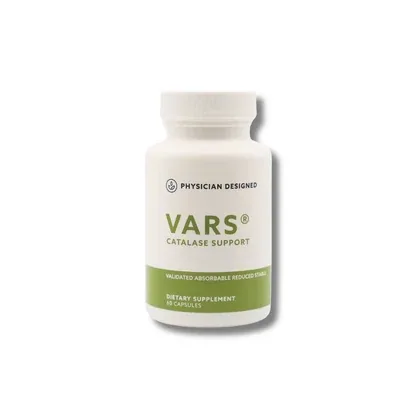
VARS Catalase Support
Ask your clinician how this option fits your results and current medicines.
COMPARE YOUR OPTIONS
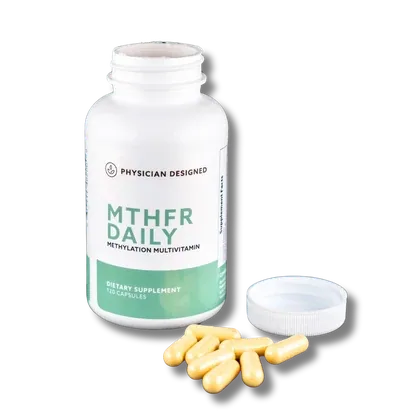
Methylation support
MTHFR Daily and Hydroxy B12 + Folinic Acid are alternatives. Your results can help your clinician choose between them.
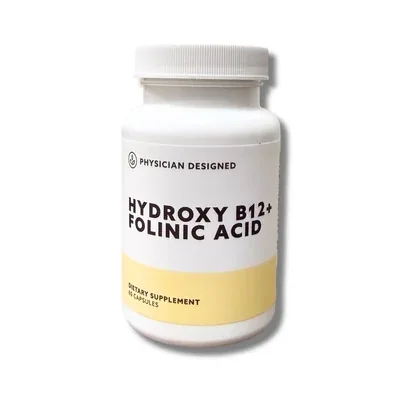
Tell your care team which supplements and medicines you already take. Check the product page for current ingredients, prices, and availability.
