Genetic variants / SNP findings — lab reference
Some search terms matchedClassify by evidence, zygosity, phenotype, and clinical actionability rather than a numeric range.
THE PURSER WELLNESS ENCYCLOPEDIA
5 chapters, at your pace
836 resources for your curiosity99 matching listings grouped; alternative sources stay available.
What’s searchable?Classify by evidence, zygosity, phenotype, and clinical actionability rather than a numeric range.
Follow Dr. Purser’s teaching on folate, B12, sulfur pathways and antioxidant support around homocysteine.
See how homocysteine connects to cysteine and glutathione. Follow seven simple steps, explore the side routes, and tap a word or building block to learn more.
Makes an enzyme that helps produce a form of folate used in the processing of homocysteine. Common variants are different from rare variants that cause severe MTHFR deficiency.
🚨 High homocysteine isn’t just a lab number—it’s a warning sign. Genes like MTHFR, MTR, MTRR, and GGH can overactivate the methylation cycle and lead to hyperhomocysteinemia, which drives inflammation, stroke risk, and even kidney failure.
Could an overlooked lab marker be providing valuable insight into your health? Understanding your homocysteine level may help you and your healthcare provider identify opportunities to support cardiovascular health, healthy methylation, an
What if one overlooked lab marker is telling you more about your health than you realize? Most people have never heard of homocysteine. Yet when homocysteine levels are elevated, it may signal that critical pathways involving methylation,
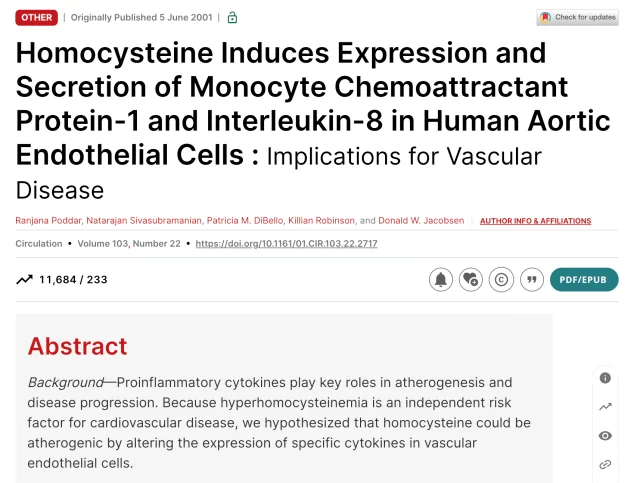
Homocysteine is nasty — but here’s the truth no one tells you. It doesn’t kill you directly — it triggers white blood cells to release IL-8 and MCP-1, causing inflammation, kidney failure, heart attacks, and strokes. Most doctors don’t even check it anymore, thinking there’s no fix. But there is. Whether from 17 genetic SNPs or 12 vitamin deficiencies (like B6 or B12), you can address it by supporting your body’s ability to convert homocysteine into glutathione.
Searchable captionsRead matching passageMost people have never heard of homocysteine , yet this small molecule may hold the key to understanding inflammation, cardiovascular disease, neurological problems, and many chronic conditions. For decades, homocysteine was viewed as a toxic substance in the blood. Doctors were taught that lowering it with B-vitamins might reduce heart disease risk. But research results were inconsistent, leaving many physicians unsure whether homocysteine truly mattered. New research and clinical observations are changing that view. We introduce a new framework called the Purser Model , which explains why ho
What if your homocysteine level is telling you more than you realize? When kidney function declines, homocysteine levels often rise because the kidneys play an important role in its metabolism and clearance. In people with chronic kidney d
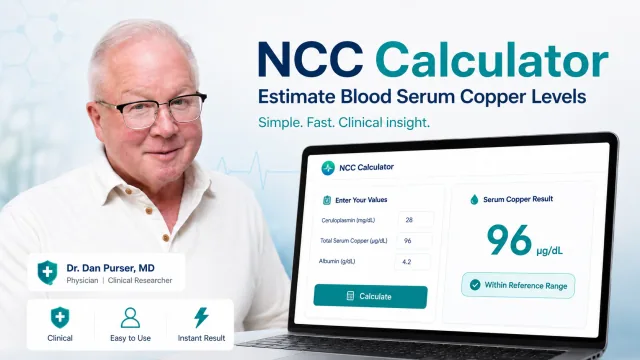
This is the BEST way to look at what your Copper is really doing. Is it getting into the cells, or building up in other places? Let’s see! Non-Ceruloplasmin Copper Calculator Calculate NCC in Seconds Enter zinc, copper, and ceruloplasmin exactly as they appear on a lab report. The calculator converts units, calculates the copper:zinc ratio, and highlights the percent of non-ceruloplasmin-bound copper. Lab Inputs Use the unit dropdowns to match the lab report. The app normalizes everything to µg/dL before calculating. Zinc Required for copper:zinc ratio Total Copper Required for all NCC calcula
Search looks for your words in titles, descriptions, available articles, learning guides, and video captions when available. The closest matches appear first. Duplicate posts are grouped, with links to other places you can read or watch them. Books, chapters, and reports have topic guides here; the original files and full book text are not available in this encyclopedia. Subscriber posts include a title and public summary; open Substack to read the full post.