THE TEACHING CONNECTION
Follow the branches around homocysteine
Follow the branches around homocysteine
Homocysteine sits at a junction in the pathway. Dr. Purser’s teaching follows homocysteine in two directions: remethylation toward methionine and transsulfuration toward cysteine-related chemistry. Folate/B12 and MTR/MTRR belong in the first discussion; CBS/CTH and glutathione-building materials belong in the second. MTHFR is an important piece, but not the entire map.
Putting the pieces together
His model also brings antioxidant workload and inflammatory signaling into the conversation. Those teaching connections should be distinguished from what a single blood measurement proves. Review current nutrient status, clinical context and changes over time; do not assume that a common SNP means homocysteine cannot change. Lowering a marker is also not the same as demonstrating prevention of every associated disease.
Where the VARS Triad and MTHFR Daily fit
If you are exploring homocysteine or cytokines, Dr. Purser may discuss MTHFR Daily and the VARS Triad: VARS Glutathione, VARS SOD, and VARS Catalase. He gives glutathione a central place in his approach to antioxidant support.
A gene result alone cannot tell you that you need these products or that they will treat a condition. Review your current results, medicines, goals, and tolerance with your clinician before choosing a product or dose.
How immune signals may connect
In Dr. Purser’s model, homocysteine may relate to how cells respond to inflammation. He discusses genes, nutrients, antioxidant status, and the immune signals IL-8 and MCP-1. NF-κB is a switch involved in controlling inflammatory genes.
This pathway helps explain why he looks at more than a homocysteine number. It does not provide a test that can measure your personal 'cytokine sensitivity.'
What IL-8 and MCP-1 do
IL-8 (CXCL8) and MCP-1 (CCL2) are chemokines: messages that help call immune cells to an area. You may see either name on a report.
A lab experiment found that human blood-vessel cells exposed to homocysteine released more of these signals. A change in cells in a lab does not show that a supplement will prevent heart or kidney disease in a person.
More genes than MTHFR
Genes involved in folate use, B12 transport, methylation, and sulfur processing include AHCY, BHMT, FOLH1, MTR, MTRR, SHMT1, TCN2, MTHFD1, MTHFD1L, SLC19A1, CBS, and CTH. Each plays a different role.
A gene name alone does not tell you whether a variant affects your health. Your exact result and its clinical classification matter. Common variants are different from rare inherited metabolic disorders.
Nutrient context: read high and low results carefully
Protein intake and nutrients such as folate, B12, B6, riboflavin, and choline can affect different parts of this pathway. That is why your food history and other tests matter along with a homocysteine number.
A low result does not prove a hidden deficiency. In fact, folate, B12, and B6 deficiencies more commonly raise homocysteine. Ask your clinician to review a change in the number with your overall health picture.
A question to bring to your visit
What do repeated measurements and current folate/B12 findings show, and which part of the pathway is the plan intended to address?
Reading your own results
Bring your original report, current results, health history, and medicines to your visit. This information can help you ask questions, but it cannot diagnose a condition or choose a supplement dose for you.
EXPLORE WITH YOUR CARE TEAM
Supplements to explore
Compare the products below, including their ingredients and available forms. Your care team can help you choose one or more options for your needs.
Dr. Purser discusses these supplements in relation to CBS.
Different products offer different forms and amounts. Compare the labels with your clinician to find what fits your needs.
COMPARE YOUR OPTIONS
Methylation support
Compare supplement options related to Vitamin B12.
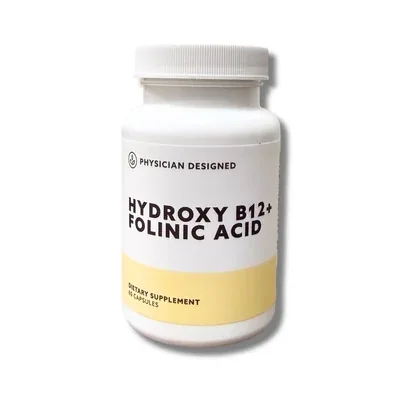
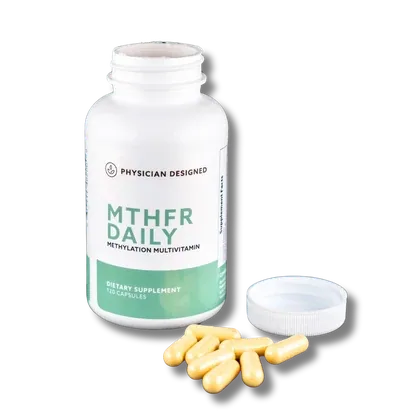
MTHFR Daily and Hydroxy B12 + Folinic Acid are alternatives. Your folate, vitamin B12, and genetic results can help your clinician choose between them.
SUPPLEMENT OPTIONS
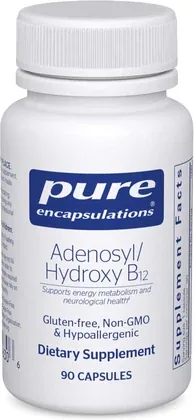
Adenosyl + Hydroxy B12
Compare supplement options related to Vitamin B12.
CAPSULES & LIQUID
Glutathione options
Some genetic results may make these options more relevant to you. Review your full genetic report with your clinician before choosing a supplement.
SUPPLEMENT OPTIONS
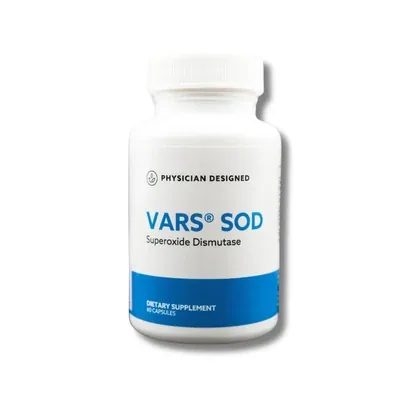
VARS SOD
Some genetic results may make these options more relevant to you. Review your full genetic report with your clinician before choosing a supplement.
See more supplement options
SUPPLEMENT OPTIONS
VARS Catalase Support
Some genetic results may make these options more relevant to you. Review your full genetic report with your clinician before choosing a supplement.

SUPPLEMENT OPTIONS
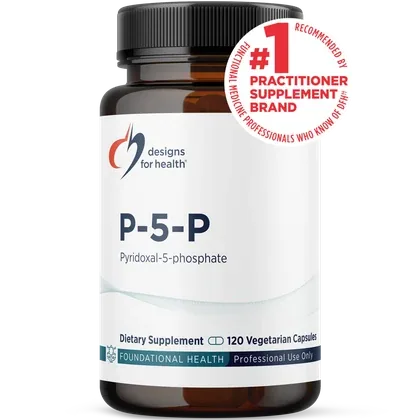
P-5-P (Pyridoxine B6)
Dr. Purser discusses these supplements in relation to CTH.
Some genetic results may make these options more relevant to you. Review your full genetic report with your clinician before choosing a supplement.
SUPPLEMENT OPTIONS
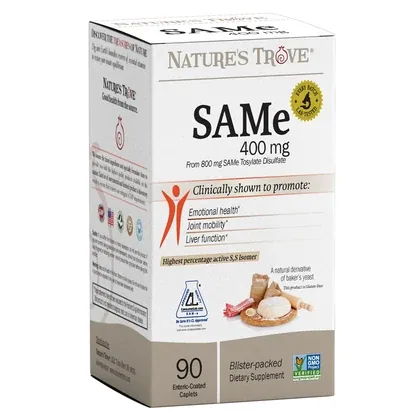
SAME
Dr. Purser discusses these supplements in relation to MTRR.
Some genetic results may make these options more relevant to you. Review your full genetic report with your clinician before choosing a supplement.
SUPPLEMENT OPTIONS
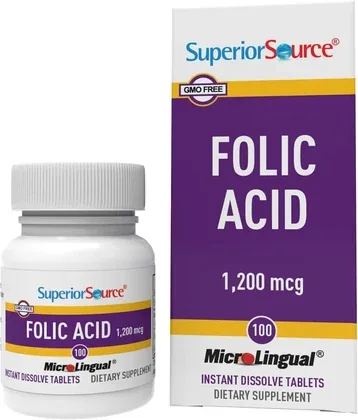
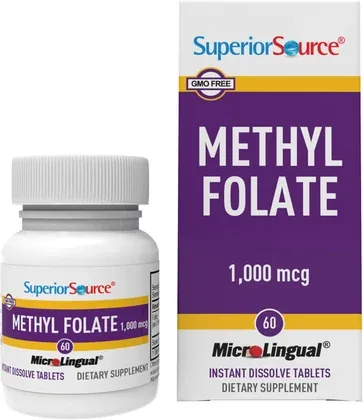
Vitamin B9 supplement options
Compare supplement options related to Vitamin B9.
SUPPLEMENT OPTIONS
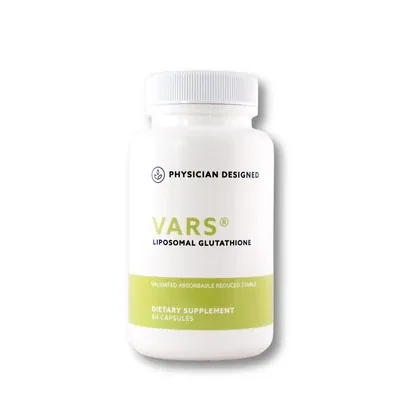
VARS Liposomal Glutathione
Compare supplement options related to Glutathione.

SUPPLEMENT OPTIONS
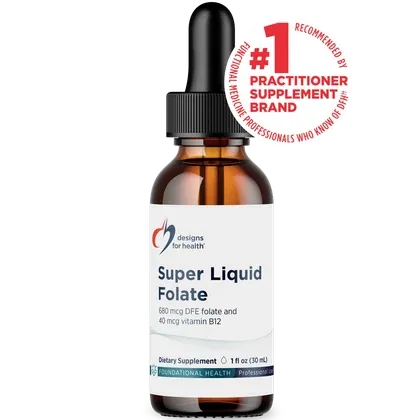
Super Liquid Folate
Compare supplement options related to Vitamin B9.
Tell your care team which supplements and medicines you already take. Check the product page for current ingredients, prices, and availability.
