…hat handles copper meaning it moves copper into and out the cells. When you see an intracellular copper problem where they have a intracellular copper deficiency, you got to figure out how to get that into the cell. We actually have a paten…
… so oxidative stress, oxidative damage are what injure your cells and injure the proteins that are created in your cells. Think about it. If you had a uh basically a bunch of little BB's bouncing around inside the nucleus of your cell, dama…
…ain with the materials it needs to constantly replenish the cellular membranes of every cell in your brain. That's phosphotidyl serin the one of the major fatty chain amino acids that are used in the bilayer membranes of our cellular membra…
…ysfunctional. So you can't move copper into and out of your cells. Also the CMA or the spectra cell kept coming up with copper defi deficiencies on an intracellular basis. Why was that? And they'd have super high serum levels of copper. Why…
…t areas within our body. So there's mitochondrial sod, intracellular, and extracellular sod. Meaning sod is used within the mitochondria to reduce or to neutralize super oxides as well as out in the cytoplasm of the cell. Extracellular sod …
…e firstline defense against superoxide radicals within your cells and throughout your bloodstream throughout your whole body. Super oxide disysmutase is an antioxidant enzyme that protects you against the most harmful free radical out there…
… the most important antioxidants that exist in every single cell of your body. And as we age, we lose the ability to make them and properly produce them and properly use them. And so supplementing with varsod vs glutathione provide immense …
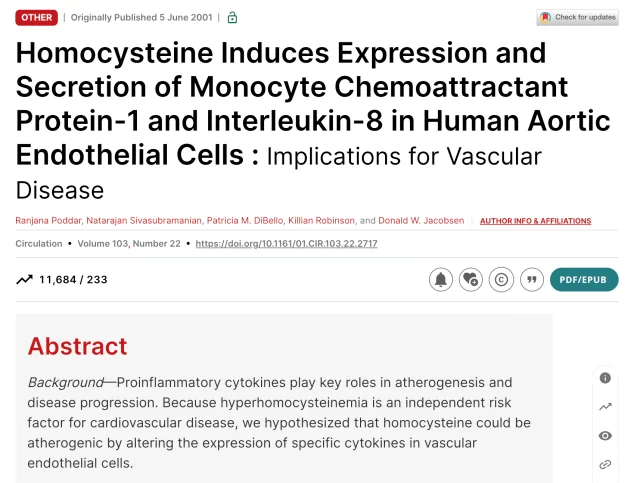
… Cytokines are inflammatory signaling molecules released by immune cells. When homocysteine rises, it can trigger immune cells—especially monocytes and endothelial cells—to release inflammatory cytokines such as: IL-8 MCP-1 These cytokines …
…ne is part of the body’s antioxidant network. Monocytes are immune cells that can release cytokines when they receive stress or danger signals.
Follow the pathway
Dr. Purser discusses reactive oxygen species, NF-κB, NLRP3, and the cytokine…
… conditions, and why a targeted medicine differs from broad immune suppression. Which conditions, ages, and dosing schedules are approved can change and should be checked with the prescribing clinician.
Bring these questions to your visit
…
…ain, fatigue, and brain fog can arise from many conditions. Immune signals such as TNF-alpha and IL-6 are relevant to some inflammatory illnesses, but symptoms alone cannot identify the cause.
Follow the pathway
Dr. Purser explains the rel…
… phosphatidylcholine, and phosphatidylserine are related to cell-membrane and metabolic discussions but are different substances.
Follow the pathway
Dr. Purser connects PEMT, folate-related methylation, the liver, and choline availability.…
Search looks for your words in titles, descriptions, available articles, learning guides, and video captions when available. The closest matches appear first. Duplicate posts are grouped, with links to other places you can read or watch them. Books, chapters, and reports have topic guides here; the original files and full book text are not available in this encyclopedia. Subscriber posts include a title and public summary; open Substack to read the full post.