In October of 2019 I was asked to prepare a talk and SLIDE SHOW FOR THE AMERICA ACADEMY OF ANTI-AGING MEDICINE for June of 2020 in Orlando; I finally gave that talk last month in May 2021 — it was to focus on the genetics of dementia and the nutrigenomics (supplements designed to get around any deleterious genetic errors involved in the process) that had been thought to be preventative to the genetic occurrence of dementia.
The dementia prevention literature and research has come a long way in the last few years as you can tell by the presentation I created and all the references I list at the end — there’s a lot of hope for those of us (like myself) who have genetic errors, like the APEO4 error (the worst one to have — which I have). I also had to design some products that the literature claims should help (which is awesome) but just so you know, I take everything on the list. If you have the wherewithal, then why not?
APOE4 scares me badly. And it’s absolutely not guaranteed especially if you take the supplements — like the ones the studies have said should work (see my numerous references — listed all of them here in this document for your ease). At least we can try and prevent what so many fear.
Thanks for watching and for trying to improve your life and those around you.
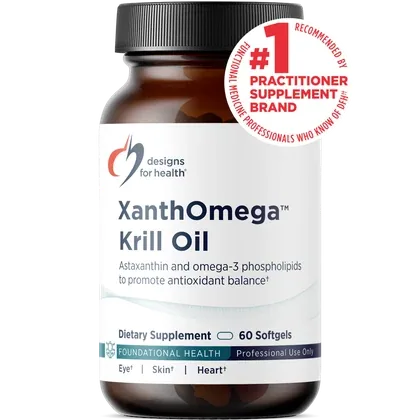
In this video I discuss brain support products for Resveratrol/Quercetin and Krill Oil. Those are the Designs for Health products listed below.
For more info and list of supplements, please visit: DanPurserMD.com/dementia
God Bless and good luck!!!
Dan Purser MD
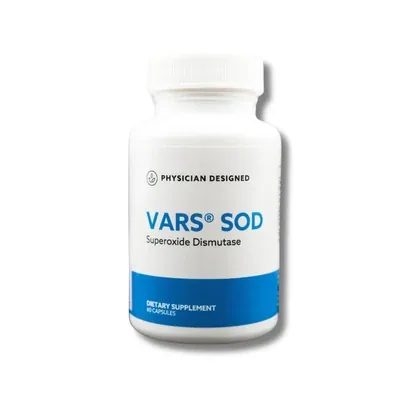
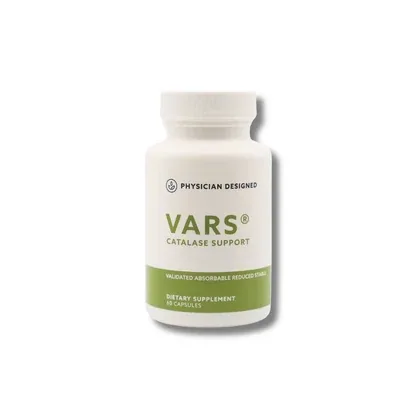
Physician Designed Products
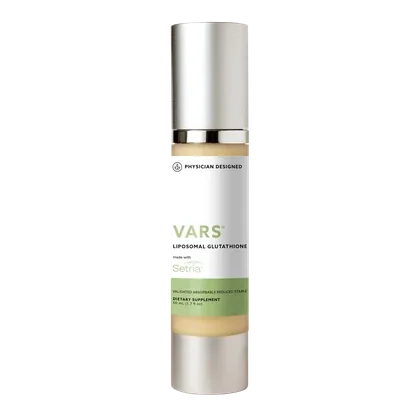
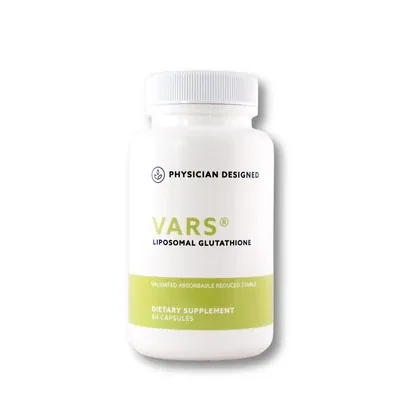
- VARS Mint Burst Glutathione: https://physiciandesigned.com/products/new-vars-mint-burst-glutathione
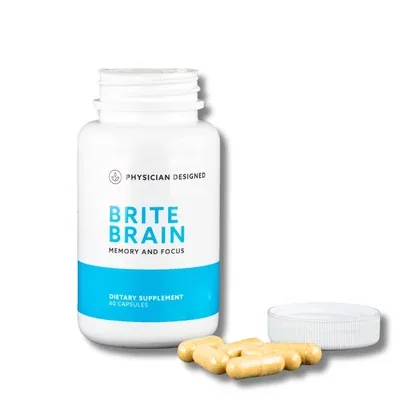
- Brain Support PQQ + CoQ10: https://physiciandesigned.com/products/brain-support
Designs for Health (DFH) Products
- Resveratrol Supreme: https://danpursermd.ehealthpro.com/products/resveratrol-synergy-60-vegicaps
- Xanthomega Krill Oil: https://danpursermd.ehealthpro.com/products/xanthomega-dark-red-krill-oil-60-softgels
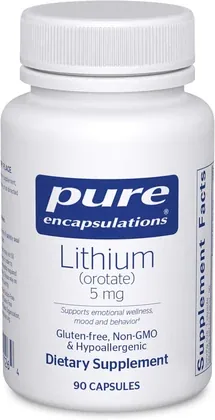
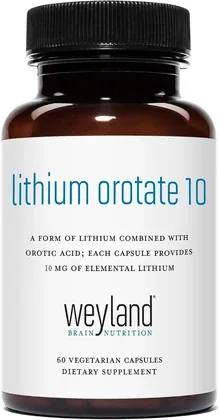
- Lithium Synergy: https://danpursermd.ehealthpro.com/products/lithium-synergy-120-capsules
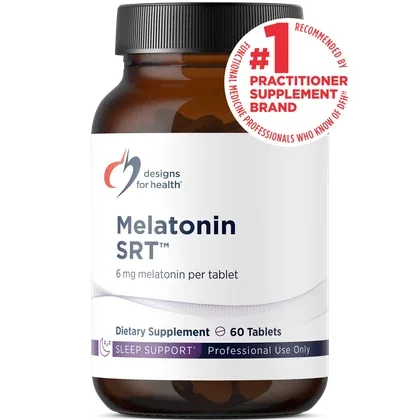
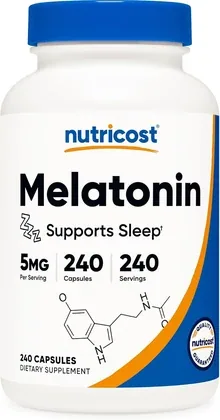
- Melatonin: https://danpursermd.ehealthpro.com/products/insomnitol-60-capsules
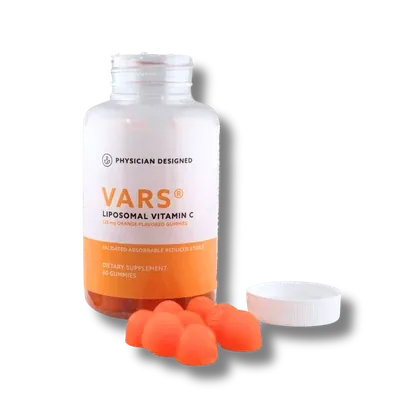
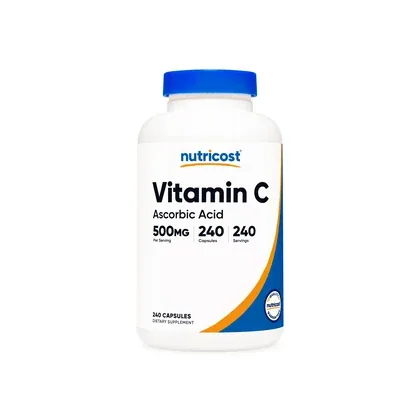
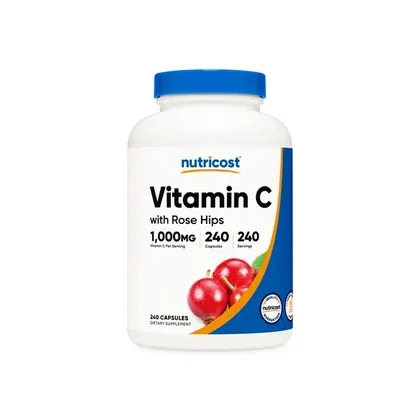
- Vitamin C: https://danpursermd.ehealthpro.com/products/liposomal-vitamin-c
REFERENCES
Safieh, M., Korczyn, A.D. & Michaelson, D.M. ApoE4: an emerging therapeutic target for Alzheimer’s disease. BMC Med 17, 64 (2019). https://doi.org/10.1186/s12916-019-1299-4
Umlauf, E. Careful neuropsychological testing reveals a novel genetic marker, GSTO1*C, linked to the pre-stage of Alzheimer's disease. Oncotarget. 2016 Jun 28;7(26):39108-39117. doi: 10.18632/oncotarget.9773. https://www.ncbi.nlm.nih.gov/pmc/articles/PMC5129917/
FASEB J. Role of phosphatidylcholine-DHA in preventing APOE4-associated Alzheimer’s disease. 2019 Feb; 33(2): 1554–1564. doi: 10.1096/fj.201801412R. https://www.ncbi.nlm.nih.gov/pubmed/30289748
Dr. Rhonda Patrick on DHA in Phospholipid form and the Prevention of Alzheimers. The Zen Patient Blog. https://zenpatient.com/blog/dr-rhonda-patrick -on-the-role-of-the-phospholipid-form-of-dha-in-apoe4-alzheimers/
Devi, L. Mitochondrial dysfunction and accumulation of the β-secretase-cleaved C-terminal fragment of APP in Alzheimer's disease transgenic mice. 2012 Jan;45(1):417-24. doi: 10.1016/j.nbd.2011.09.001. https://www.ncbi.nlm.nih.gov/pubmed/21933711
Pocernich, Chava B. Elevation of Glutathione as a Therapeutic Strategy in Alzheimer Disease. 2012 May; 1822(5): 625–630. doi: 10.1016/j.bbadis.2011.10.003. https://www.ncbi.nlm.nih.gov/pmc/articles/PMC3277671/
Bateman, Randall J. The DIAN-TU Next Generation Alzheimer’s prevention trial: adaptive design and disease progression model. 2017 Jan; 13(1): 8–19. doi: 10.1016/j.jalz.2016.07.005 https://www.ncbi.nlm.nih.gov/pmc/articles/PMC5218895/
Xu, Jing. Brain SIRT1 Mediates Metabolic Homeostasis and Neuroprotection. 23 November 2018 | https://doi.org/10.3389/fendo.2018.00702 https://www.frontiersin.org/articles/10.3389/fendo.2018.00702/full
Koronowski, Kevin B. Sirt1 in cerebral ischemia. 2015 Apr; 1(1):69-78. DOI: 10.4103/2394-8108.162532 http://www.braincirculation.org/article.asp?issn=2394-8108;year=2015;volume=1;issue=1;spage=69;epage=78;aulast=Koronowski
Buhrmann, Constanze. Sirt1 Is Required for Resveratrol-Mediated Chemopreventive Effects in Colorectal Cancer Cells. 2016 Mar; 8(3): 145. doi: 10.3390/nu8030145 https://www.ncbi.nlm.nih.gov/pmc/articles/PMC4808874/
Lu, Y. Quercetin enrich diet during the early-middle not middle-late stage of alzheimer's disease ameliorates cognitive dysfunction. 2018 Apr 15;10(4):1237-1246. https://www.ncbi.nlm.nih.gov/pubmed/29736217
Quercetin. Drugs.com. https://www.drugs.com/npp/quercetin.html
Dong, YT. Stimulation of SIRT1 Attenuates the Level of Oxidative Stress in the Brains of APP/PS1 Double Transgenic Mice and in Primary Neurons Exposed to Oligomers of the Amyloid-β Peptide. J Alzheimers Dis. 2018;63(1):283-301. doi: 10.3233/JAD-171020. https://www.ncbi.nlm.nih.gov/pubmed/29614660
O’Neal-Moffitt, G. Prophylactic melatonin significantly reduces Alzheimer's neuropathology and associated cognitive deficits independent of antioxidant pathways in AβPP(swe)/PS1 mice. Mol Neurodegener. 2015 Jul 11;10:27. doi: 10.1186/s13024-015-0027-6. https://www.ncbi.nlm.nih.gov/pubmed/26159703
PRESENILIN 1; PSEN1. Omim.org. https://www.omim.org/entry/104311
Dixit, S. Vitamin C deficiency in the brain impairs cognition, increases amyloid accumulation and deposition, and oxidative stress in APP/PSEN1 and normally aging mice. ACS Chem Neurosci. 2015 Apr 15;6(4):570-81. doi: 10.1021/cn500308h.https://www.ncbi.nlm.nih.gov/pubmed/25642732
Hubbard, Basil. Small molecule SIRT1 activators for the treatment of aging and age-related diseases. Trends Pharmacol Sci. 2014 Mar; 35(3): 146–154. doi: 10.1016/j.tips.2013.12.004. https://www.ncbi.nlm.nih.gov/pmc/articles/PMC3970218/
Haigis, Marcia C. Mammalian sirtuins—emerging roles in physiology, aging, and calorie restriction. Genes & Dev. 2006. 20: 2913-2921. doi:10.1101/gad.1467506 http://genesdev.cshlp.org/content/20/21/2913.short
Tsukakoshi, K. Esterification of PQQ Enhances Blood-Brain Barrier Permeability and Inhibitory Activity against Amyloidogenic Protein Fibril Formation. ACS Chem Neurosci. 2018 Dec 19;9(12):2898-2903. doi: 10.1021/acschemneuro.8b00355 https://www.ncbi.nlm.nih.gov/pubmed/30074759
Cone, Allen. Dietary supplement reversed vascular aging in mice, study says. UPI.com https://www.upi.com/Health_News/2018/03/23/Dietary-supplement-reversed-vascular-aging-in-mice-study -says/1141521809648/?utm_source=sec&utm_campaign=sl&utm_medium=6
Cerutti, Raffaele. NAD+-Dependent Activation of Sirt1 Corrects the Phenotype in a Mouse Model of Mitochondrial Disease. 2014 Jun 3 (19) 6:1042-1049. https://doi.org/10.1016/j.cmet.2014.04.001 https://www.sciencedirect.com/science/article/pii/S1550413114001648
Rao, YL. Neuroprotective effects of resveratrol in Alzheimer's disease. Front Biosci (Elite Ed). 2020 Jan 1;12:139-149. https://www.ncbi.nlm.nih.gov/pubmed/31585875
Yin, J. Apolipoprotein E regulates mitochondrial function through the PGC-1α-sirtuin 3 pathway. Aging (Albany NY). 2019 Dec 6;11(23):11148-11156. doi: 10.18632/aging.102516. https://www.ncbi.nlm.nih.gov/pubmed/31808750
Jia, Y. Resveratrol and Amyloid-Beta: Mechanistic Insights. Nutrients. 2017 Oct 14;9(10). pii: E1122. doi: 10.3390/nu9101122. https://www.ncbi.nlm.nih.gov/pubmed/29036903
Noguchi-Shinohara, M. Higher Blood Vitamin C Levels are Associated with Reduction of Apolipoprotein E E4-related Risks of Cognitive Decline in Women: The Nakajima Study. J Alzheimers Dis. 2018;63(4):1289-1297. doi: 10.3233/JAD-170971. https://www.ncbi.nlm.nih.gov/pubmed/29758939
Paula, PC. Preventive Effect of Quercetin in a Triple Transgenic Alzheimer's Disease Mice Model. Molecules. 2019 Jun 20;24(12). pii: E2287. doi: 10.3390/molecules24122287. https://www.ncbi.nlm.nih.gov/pubmed/31226738
Zhang, DF. PLD3 in Alzheimer's Disease: a Modest Effect as Revealed by Updated Association and Expression Analyses. Mol Neurobiol. 2016 Aug;53(6):4034-4045. doi: 10.1007/s12035-015-9353-5. https://www.ncbi.nlm.nih.gov/pubmed/26189833