Why this matters
Follow the sulfur pathway from homocysteine toward cysteine and glutathione.
How the pieces connect
Cysteine, glutathione, oxidative stress, and energy pathways connect to this discussion. A pathway map can guide questions but cannot diagnose the effect of a gene finding.
Pathway names describe different jobs
Remethylation and transsulfuration are connected, but they are not the same process. Dr. Purser discusses MTHFR alongside CBS, MTR, MTRR and SHMT1 because these genes participate in a broader metabolic network. A finding in one gene cannot tell you the activity of the entire network. Dr. Purser also introduces homocysteinylation, redox balance and ferroptosis as mechanisms worth studying; those terms should not be read as diagnoses on a consumer genetic report.
Keep in mind
A gene list cannot diagnose you. A common variant, even in both copies, does not by itself prove high homocysteine, an immune problem, or a need for supplements.
A question for your next conversation
Does the genetic finding have a demonstrated effect on the pathway, or is the connection only proposed?
BUILD YOUR UNDERSTANDING
A few concepts, made clearer.
Cysteine
An amino acid used in protein synthesis and other metabolic processes.
Read the full referenceCBS
CBS is the gene symbol used for Cystathionine Beta-Synthase. This page connects its terminology with the topics in the Purser Wellness teaching encyclopedia.
Read the full referenceMTHFR
Makes an enzyme that helps produce a form of folate used in the processing of homocysteine. Common variants are different from rare variants that cause severe MTHFR deficiency.
Read the full referenceMTR
Makes the methionine synthase enzyme, which uses vitamin B12 in the conversion of homocysteine to methionine.
Read the full referenceLET YOUR CURIOSITY LEAD
One idea opens another.
Choose a subject to find the related teaching across videos, articles, courses and references.
EXPLORE WITH YOUR CARE TEAM
Supplements to explore
Compare the products below, including their ingredients and available forms. Your care team can help you choose one or more options for your needs.
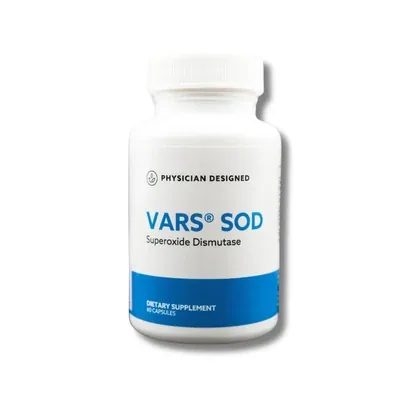
Dr. Purser discusses these supplements in relation to CBS.
Some genetic results may make these options more relevant to you. Review your full genetic report with your clinician before choosing a supplement.
CAPSULES & LIQUID
Glutathione options

SUPPLEMENT OPTIONS
VARS SOD
SUPPLEMENT OPTIONS
VARS Catalase Support

COMPARE YOUR OPTIONS
Methylation support
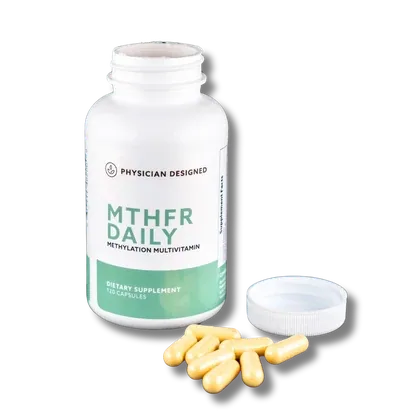
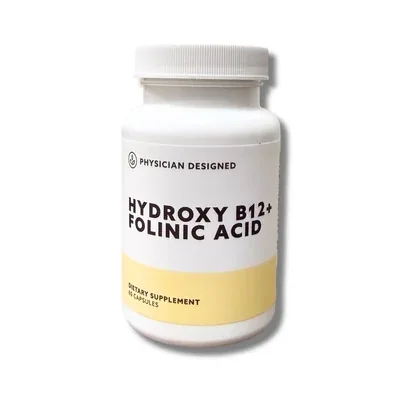
Dr. Purser discusses these supplements in relation to MTHFR.
MTHFR Daily and Hydroxy B12 + Folinic Acid are alternatives. Your folate, vitamin B12, and genetic results can help your clinician choose between them.
See more supplement options
SUPPLEMENT OPTIONS
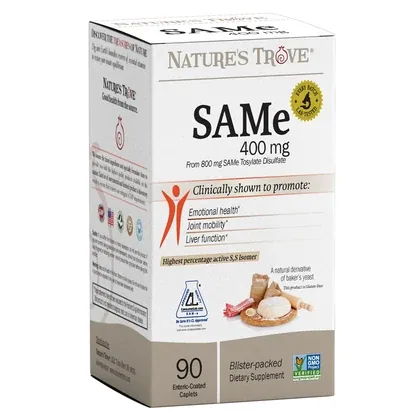
SAME
Dr. Purser discusses these supplements in relation to MTRR.
SUPPLEMENT OPTIONS
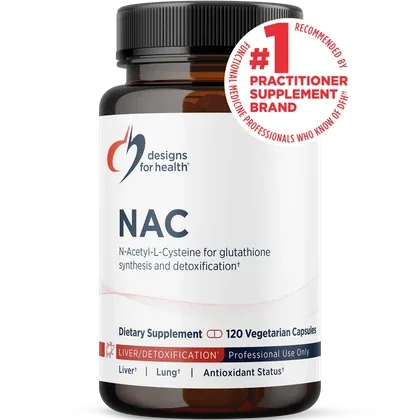
N-Acetyl-Cysteine
Compare supplement options related to Cysteine.
Different products offer different forms and amounts. Compare the labels with your clinician to find what fits your needs.
SUPPLEMENT OPTIONS
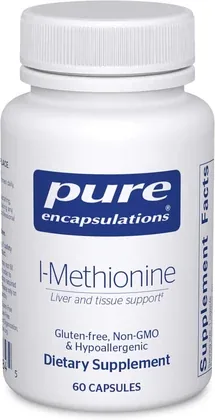
L-Methionine
Compare supplement options related to Methionine.
Different products offer different forms and amounts. Compare the labels with your clinician to find what fits your needs.
SUPPLEMENT OPTIONS
VARS Liposomal Glutathione
Compare supplement options related to Glutathione.
Different products offer different forms and amounts. Compare the labels with your clinician to find what fits your needs.

SUPPLEMENT OPTIONS
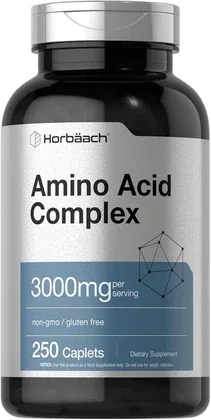
Amino Acid Complex
This formula brings several nutrients together in one supplement.
An amino acid complex may be considered when your test shows a need for at least four different amino acids. Cysteine, taurine, and tryptophan are considered separately.
Tell your care team which supplements and medicines you already take. Check the product page for current ingredients, prices, and availability.
