Why this matters
Explore a proposed copper model of fibromyalgia and what evidence would be needed to assess it.
How the pieces connect
Copper and ceruloplasmin appear in one proposed fibromyalgia model. Your symptoms and test results need careful interpretation before drawing conclusions.
Copper handling is the author’s model, not a symptom test
Dr. Purser centers on copper, ceruloplasmin and a proposed genetic-nutrient network. Ceruloplasmin is a copper-carrying protein; its name is not interchangeable with a measurement of every form of copper in the body. Dr. Purser connects NAT2, methylation and antioxidant pathways with this model. A response to a dietary change does not by itself confirm copper toxicity or a genetic cause of fibromyalgia. The model remains separate from an individualized diagnosis.
Keep in mind
A copper or gene finding does not by itself diagnose fibromyalgia or copper toxicity. Ask what other causes and test results should be reviewed.
A question for your next conversation
Which actual findings support a copper problem, and what else could explain the symptoms?
BUILD YOUR UNDERSTANDING
A few concepts, made clearer.
Boron
A trace element found in food; a human dietary requirement has not been established.
Read the full referenceCopper
Supports iron handling, connective tissue and antioxidant enzymes.
Read the full referenceCysteine
An amino acid used in protein synthesis and other metabolic processes.
Read the full referenceMolybdenum
Supports enzymes involved in processing sulfites and other compounds.
Read the full referenceLET YOUR CURIOSITY LEAD
One idea opens another.
Choose a subject to find the related teaching across videos, articles, courses and references.
EXPLORE WITH YOUR CARE TEAM
Supplements to explore
Compare the products below, including their ingredients and available forms. Your care team can help you choose one or more options for your needs.
Different products offer different forms and amounts. Compare the labels with your clinician to find what fits your needs.
CAPSULES & LIQUID
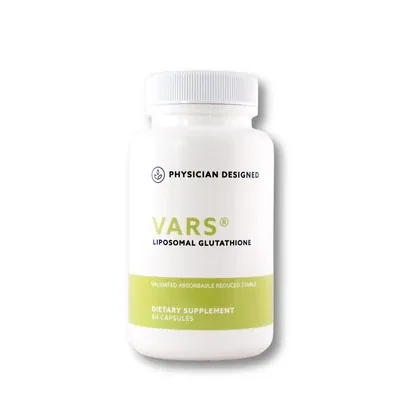
Glutathione options
Learn more about this supplement.
Compare the ingredients and available forms with your care team.
SUPPLEMENT OPTIONS
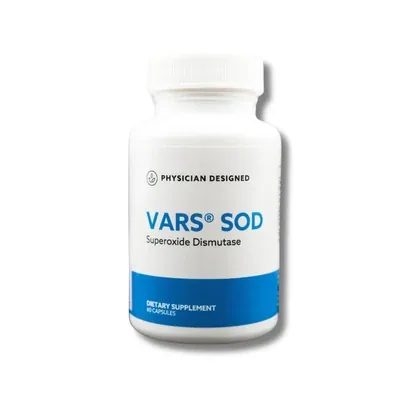
VARS SOD
Learn more about this supplement.
Compare the ingredients and available forms with your care team.
SUPPLEMENT OPTIONS
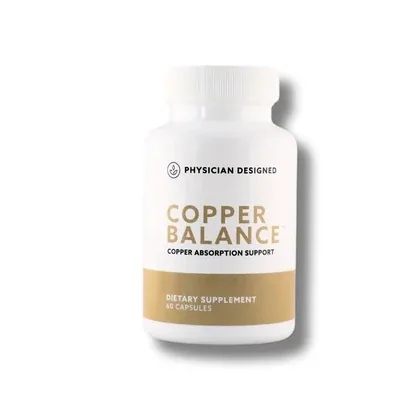
Copper Balance
Dr. Purser discusses these supplements in relation to NAT2.
Some genetic results may make these options more relevant to you. Review your full genetic report with your clinician before choosing a supplement.
SUPPLEMENT OPTIONS
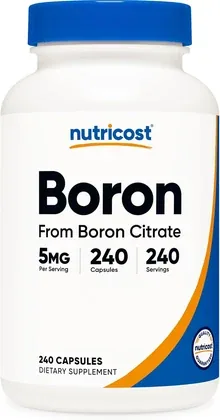
Boron Citrate
Compare supplement options related to Boron.
See more supplement options
SUPPLEMENT OPTIONS
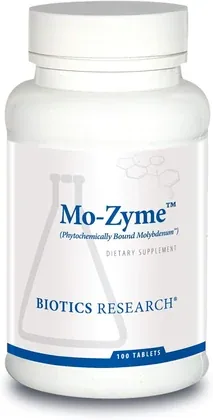
Mo-Zyme Molybdenum
Compare supplement options related to Molybdenum.
SUPPLEMENT OPTIONS
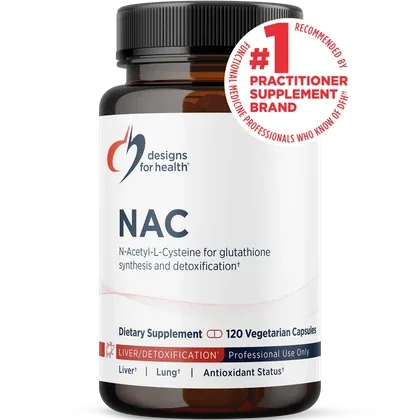
N-Acetyl-Cysteine
Compare supplement options related to Cysteine.
Tell your care team which supplements and medicines you already take. Check the product page for current ingredients, prices, and availability.
