Why this matters
Explore why a low homocysteine number does not tell the whole nutrition story.
How the pieces connect
Protein, methionine, B vitamins, choline, betaine, and absorption all belong in a nutrition conversation. A lower homocysteine result does not automatically mean better health.
A low number is not a complete nutrition assessment
Dr. Purser asks whether an apparently reassuring laboratory number can hide a nutritional problem. That is a useful question, but the proposed answer must be tested rather than assumed. Protein intake, absorption, medicines, other laboratory findings and the reason for testing all contribute to interpretation. A low homocysteine result is not a direct measurement of protein intake, glutathione production or every B-vitamin level. In particular, the usual association of B12 or folate deficiency is with higher homocysteine.
Read the two nutrition chapters together
The final Outlive Your Toxic Genetics edition places the low-result discussion in Chapter 7 and nutritional causes of elevated homocysteine in Chapter 8. Reading them together is useful: methionine/protein supply, folate/B12 remethylation, B6-dependent transsulfuration and riboflavin-related cofactor support are different parts of the pathway. A single low value cannot identify which step is limiting. Standard clinical references describe folate, B12 and B6 deficiencies as common reasons for elevation, so a low value should not be labeled a hidden genetic baseline without further evidence.
Keep in mind
Folate, B12, and B6 deficiencies more commonly raise homocysteine. A low result alone does not diagnose malnutrition or prove a hidden genetic problem. Ask what other information could help explain it.
A question for your next conversation
Which specific nutritional concern are we trying to confirm, and what test or history would address it?
BUILD YOUR UNDERSTANDING
A few concepts, made clearer.
Choline
Contributes to cell membranes, acetylcholine and transport of fats from the liver.
Read the full referenceL-Methionine
An amino acid used in protein synthesis and other metabolic processes.
Read the full referenceVitamin B12 (Cobalamin)
Needed for nerve function, DNA production and healthy red blood cells.
Read the full referenceVitamin B9 (Folate)
Supports DNA synthesis and one-carbon metabolism, including the pathway that processes homocysteine.
Read the full referenceLET YOUR CURIOSITY LEAD
One idea opens another.
Choose a subject to find the related teaching across videos, articles, courses and references.
EXPLORE WITH YOUR CARE TEAM
Supplements to explore
Compare the products below, including their ingredients and available forms. Your care team can help you choose one or more options for your needs.
Explore supplements Dr. Purser discusses for methylation and antioxidant support.
Different products offer different forms and amounts. Compare the labels with your clinician to find what fits your needs.
COMPARE YOUR OPTIONS
Methylation support
Compare supplement options related to Vitamin B12.
MTHFR Daily and Hydroxy B12 + Folinic Acid are alternatives. Your folate, vitamin B12, and genetic results can help your clinician choose between them.
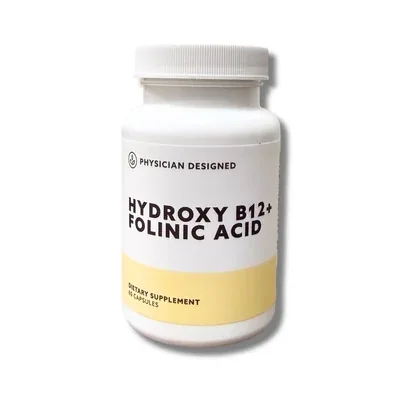
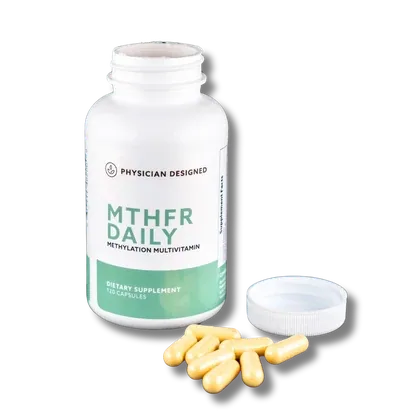
SUPPLEMENT OPTIONS
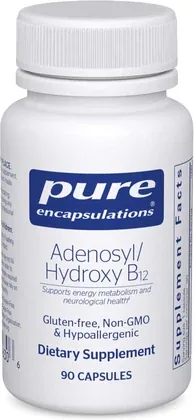
Adenosyl + Hydroxy B12
Compare supplement options related to Vitamin B12.
SUPPLEMENT OPTIONS
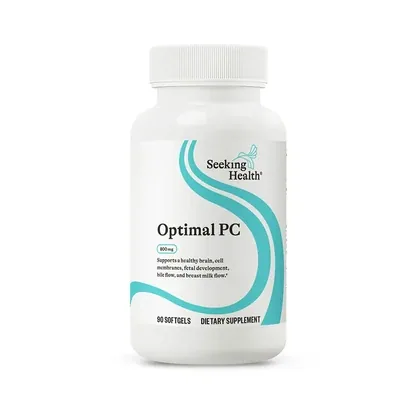
Choline supplement options
Compare supplement options related to Choline.
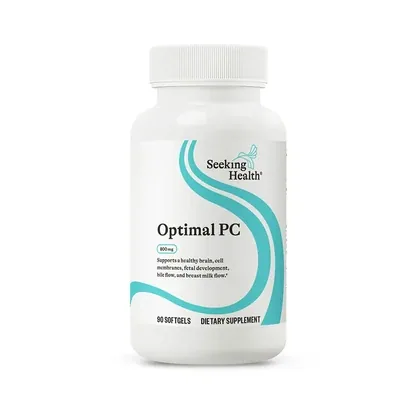
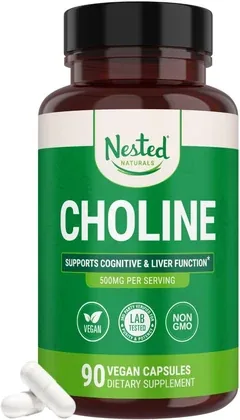
SUPPLEMENT OPTIONS
Vitamin B9 supplement options
Compare supplement options related to Vitamin B9.
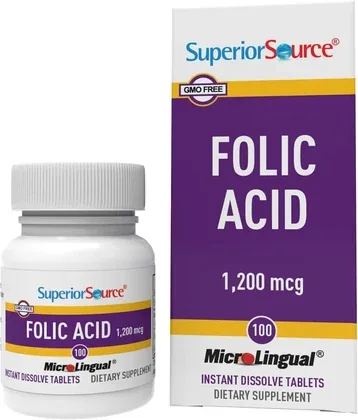
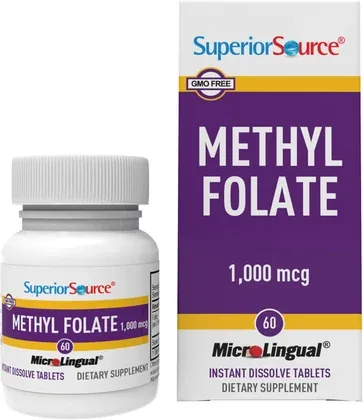
See more supplement options
SUPPLEMENT OPTIONS
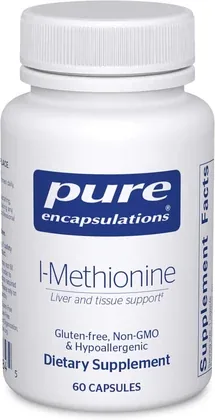
L-Methionine
Compare supplement options related to Methionine.
SUPPLEMENT OPTIONS
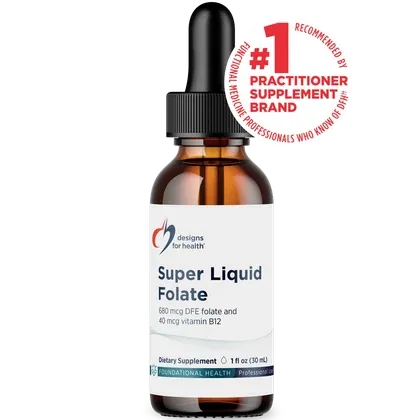
Super Liquid Folate
Compare supplement options related to Vitamin B9.
SUPPLEMENT OPTIONS
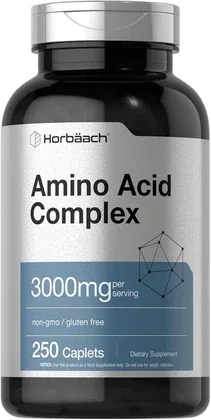
Amino Acid Complex
This formula brings several nutrients together in one supplement.
An amino acid complex may be considered when your test shows a need for at least four different amino acids. Cysteine, taurine, and tryptophan are considered separately.
CAPSULES & LIQUID
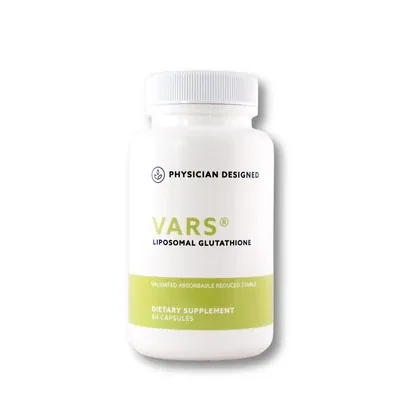
Glutathione options
Choose between capsule and liquid forms with your clinician.

SUPPLEMENT OPTIONS
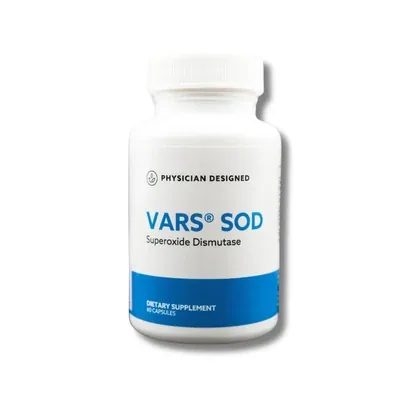
VARS SOD
Ask your clinician how this option fits your results and current medicines.
SUPPLEMENT OPTIONS
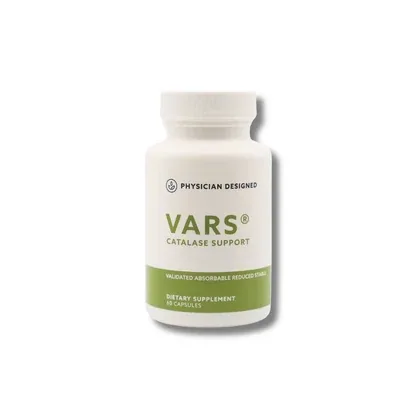
VARS Catalase Support
Ask your clinician how this option fits your results and current medicines.
Tell your care team which supplements and medicines you already take. Check the product page for current ingredients, prices, and availability.
