Why this matters
Learn how formulation, storage, and delivery differ from proof of a health benefit.
How the pieces connect
Products can differ in stability, storage, and delivery. Ask which formulation and route were studied and what benefit was measured.
Three product questions that should stay separate
Stability asks whether a preparation maintains its intended composition. Bioavailability asks how much reaches a relevant site after administration. Clinical efficacy asks whether using it improves a meaningful outcome. A preparation can answer one question well while leaving another unanswered. Dr. Purser discusses all three around reduced glutathione, but they should not be collapsed into a single claim of “functionality.” The formulation, route and study population must match the claim being considered.
Keep in mind
A patent or delivery claim tells you about a product idea, not whether it treats disease. Ask for evidence about the specific formulation and the health outcome you care about.
A question for your next conversation
Which of the three questions does the evidence actually answer?
BUILD YOUR UNDERSTANDING
A few concepts, made clearer.
LET YOUR CURIOSITY LEAD
One idea opens another.
Choose a subject to find the related teaching across videos, articles, courses and references.
EXPLORE WITH YOUR CARE TEAM
Supplements to explore
Compare the products below, including their ingredients and available forms. Your care team can help you choose one or more options for your needs.
SUPPLEMENT OPTIONS
Glutathione supplement options
Compare supplement options related to Glutathione.
Different products offer different forms and amounts. Compare the labels with your clinician to find what fits your needs.
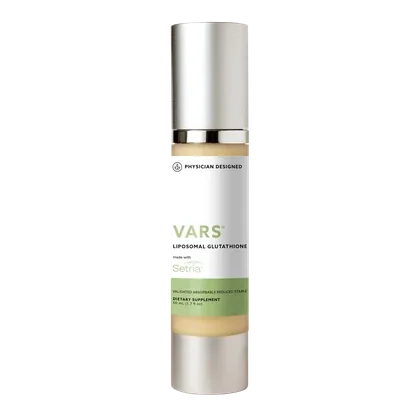
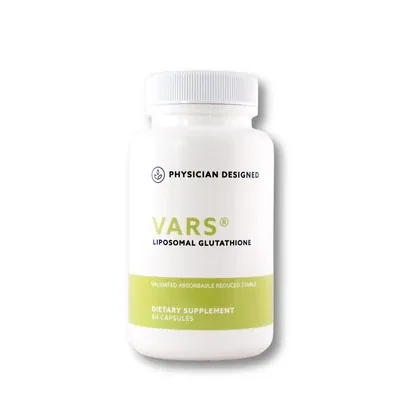
Tell your care team which supplements and medicines you already take. Check the product page for current ingredients, prices, and availability.
