…EMT. This gene specifically is the gene that deals with the synthesis of phosphotidylcholine in our bodies. If we have a snip or a genetic error on our PEMT gene, then we will make much less of phosphotidylcholine in our body. We'll be much…
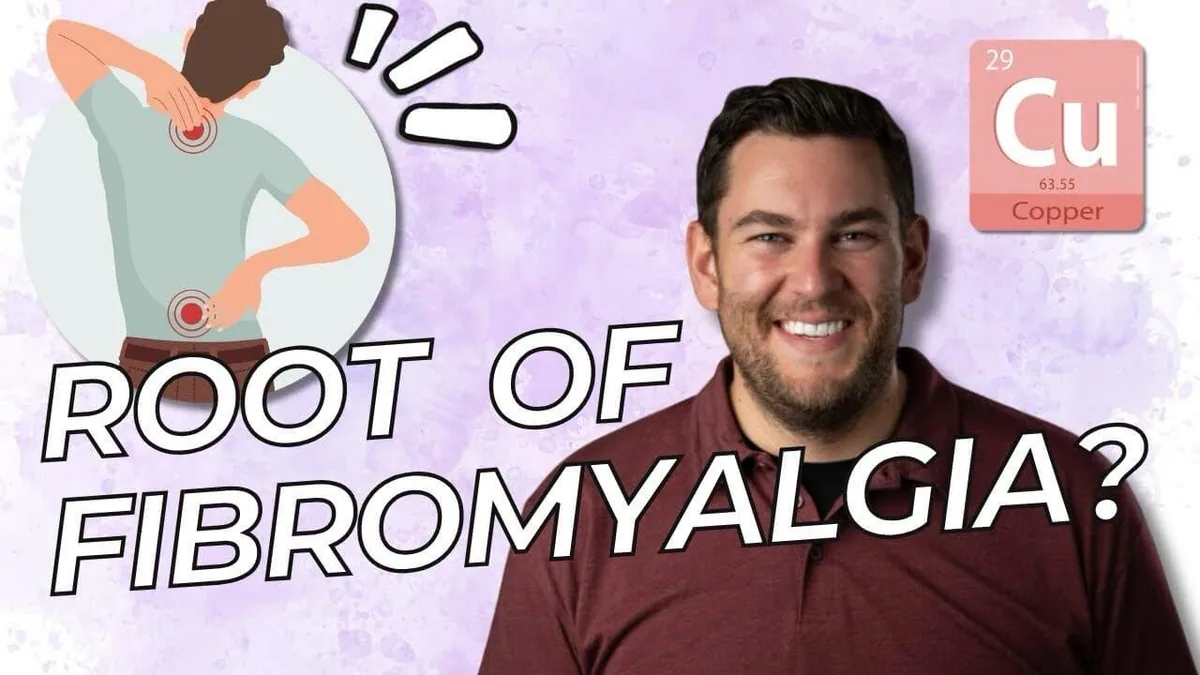
…the other ones is that these are the genes that produce the proteins and enzymes that process copper in your body. So at at its base, fibromyalgia is an inability to process copper properly. That means that copper is in your blood circulati…
…und. Cystic fibrosis is a lot like homocystic and the spike protein. Actually, it's kind of weird. They all function by stimulating production of cytoines. Cytoines are mitigatable with glutathione. That's not my work. That's not my studies…
… the middle letter in um is that they have a thing called S protein that uh is constantly being produced in their cells. This protein is what hurts you or can hurt you. Doesn't always but it usually does but especially for the VX injured or…
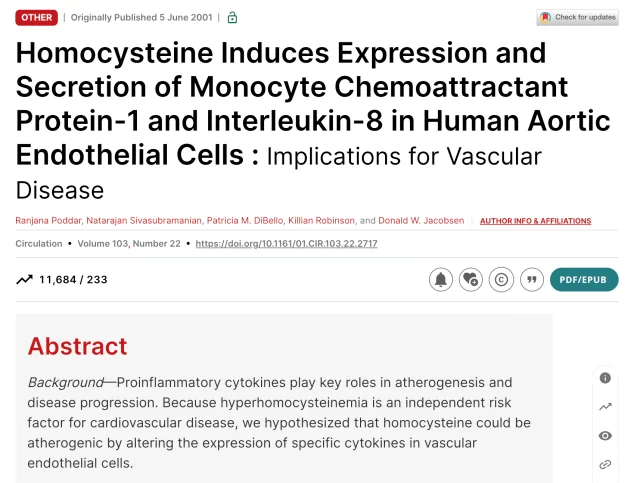
…al, Not Just a Toxin Homocysteine is a natural byproduct of protein metabolism. Your body normally recycles it through several metabolic pathways that require nutrients like: Vitamin B6 Vitamin B12 Folate Serine Glutathione When those pathw…
…and mitochondrial energy in the context of neurotransmitter synthesis and nutrient deficiencies. He explores how a documented deficiency can add fatigue, cognitive difficulty, or other symptoms to an existing mental-health condition.
Bring…
…ne alongside the separate questions of antioxidant support, protein and mineral nutrition, and hormone care. A genetic susceptibility does not prove that the liver is failing or that a nutrient is deficient.
Bring these questions to your v…
….
Follow the pathway
Dr. Purser discusses immune activity, protein accumulation, mitochondrial stress, homocysteine, and IL-6 as interacting research questions. His antioxidant discussion includes glutathione, superoxide dismutase, and cat…
…e.
Bring these questions to your visit
Ask how eGFR, urine protein, imaging, and other findings explain the kidney problem. A nephrology plan should guide medicines, supplement safety, and monitoring; common genetic findings do not predict…
…ofactors including vitamin C, zinc, magnesium, and adequate protein.
Bring these questions to your visit
Ask whether your symptoms and family history support a connective-tissue evaluation and whether the exact variant is classified as pat…
…esses that maintain bone. Bone strength also depends on its protein framework.
Follow the pathway
Dr. Purser discusses magnesium, zinc, copper, boron, and manganese alongside calcium and vitamin D. These nutrients have different roles in m…
…athy, a condition affecting the kidney’s filtering barrier. Protein leakage into urine is an important finding.
Follow the pathway
Dr. Purser discusses immune complexes, podocytes, proteinuria, and possible associations with medicines, exp…
Search looks for your words in titles, descriptions, available articles, learning guides, and video captions when available. The closest matches appear first. Duplicate posts are grouped, with links to other places you can read or watch them. Books, chapters, and reports have topic guides here; the original files and full book text are not available in this encyclopedia. Subscriber posts include a title and public summary; open Substack to read the full post.