…nt for brain health because it helps protect the brain from oxidative damage caused by free radicals. The mitochondria produce these highly reactive chemicals when they burn fuel to create energy. Oxidative damage can lead to cell death and…
…o get through our days. PQQ helps protect mitochondria from oxidative stress, which can lead to brain damage. Oxidative stress occurs when oxygen molecules in the blood damage cells in the body, causing inflammation and eventually cell deat…
…athione is the first antioxidant it uses to protect against oxidative stress.
PQQ helps the mitochondria to function more efficiently and have greater energy output, but with more output also comes more oxidative stress and damage. That i…
…ti-inflammatory effects, which help protect your brain from oxidative stress and enhance its function.
Reference: https://pubmed.ncbi.nlm.nih.gov/15982990/
https://pubmed.ncbi.nlm.nih.gov/16401645/
https://pubmed.ncbi.nlm.nih.gov/20737519…
…tml
Dong, YT. Stimulation of SIRT1 Attenuates the Level of Oxidative Stress in the Brains of APP/PS1 Double Transgenic Mice and in Primary Neurons Exposed to Oligomers of the Amyloid-β Peptide. J Alzheimers Dis. 2018;63(1):283-301. doi: 10…
…se phosphate pathway (Figure 14). NADPH protects cells from oxidative damage. Because erythrocytes do not generate NADPH in any other way, they are more susceptible than other cells to destruction from oxidative stress. The level of G6PD ac…
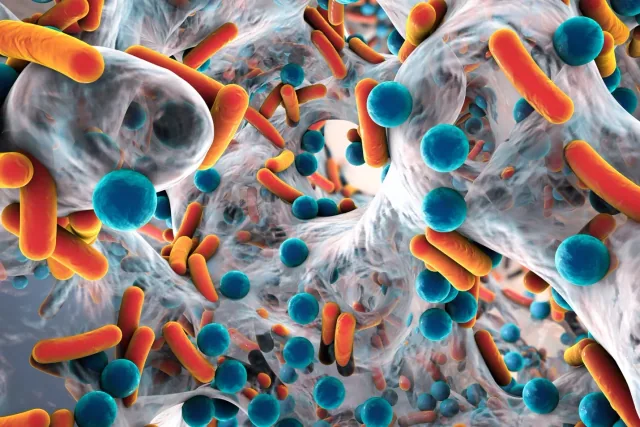
…in helping form a stronger biofilm. Pyocyanin can act as an oxidative agent (i.e. a free radical) within the lungs. When pyocyanin is secreted inside a host, such as a CF patient, it can make its way inside the cells of the host and start t…
…nt extracellular pro-oxidant reactions. Under conditions of oxidative stress, the liver exports oxidized glutathione into bile in a concentrative fashion, whereas under basal conditions, mainly reduced glutathione is exported into bile and …
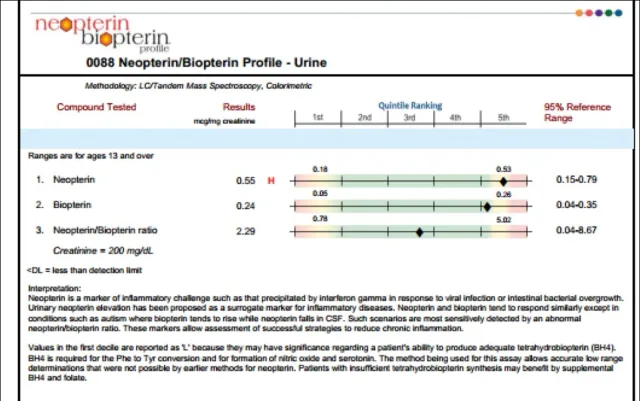
…way in the body (e.g. excessive peroxynitrite formation and oxidative stress). Neopterin is a useful index of inflammation response associated with immune system activation. Tetrahydrobiopterin (BH4) is the cellular protection or antidote t…
…: homocysteine, monocytes, IL-8, CXCL8, MCP-1, CCL2, NF-kB, oxidative stress
How these immune signals may connect
In Dr. Purser’s model, gene differences, nutrient availability, glutathione and NF-κB may be part of the link between homocys…
…glutathione.
How the pieces connect
Cysteine, glutathione, oxidative stress, and energy pathways connect to this discussion. A pathway map can guide questions but cannot diagnose the effect of a gene finding.
Pathway names describe differ…
…aling, and pain.
How the pieces connect
Immune signals and oxidative stress are research topics in pain. Persistent pain can have many causes, so ask which explanation fits your symptoms and findings.
Pain is an experience, not one labora…
Search looks for your words in titles, descriptions, available articles, learning guides, and video captions when available. The closest matches appear first. Duplicate posts are grouped, with links to other places you can read or watch them. Books, chapters, and reports have topic guides here; the original files and full book text are not available in this encyclopedia. Subscriber posts include a title and public summary; open Substack to read the full post.